Until recently, corporate events were seen as obligatory parts of the calendar: a conference, a partner meeting, an internal team session. In 2026, this approach stopped working. The event is no longer judged by the number of guests or the level of “wow effect”. It is evaluated based on the value it has created for businesses and participants.
The corporate event has become a strategic tool. It should strengthen relationships, build trust, deliver measurable results, and leave participants feeling their time was well spent.
An event is a business asset, not a format.
The main shift in recent years has been the transition from the logic of “making a beautiful event” to the logic of “creating a managed value system.” Today, an event is part of a business process rather than a separate episode.
The organizers are expected to focus on:
- Clearly defined goals
- Clear performance metrics
- The relationship between audience engagement and business results
- Provable return on investment
That is why ROI has ceased to be an abstract concept. It is measured through registration and actual presence, the depth of engagement, the number of meaningful contacts, participant follow-up, repeat participation, and the impact on sales, retention, or reputation.
Today, an event is part of a business process rather than a standalone episode,especially for brands working with event organisers in Dubai, where expectations are high and competition is intense.
Participant’s Experience as a Central Value.
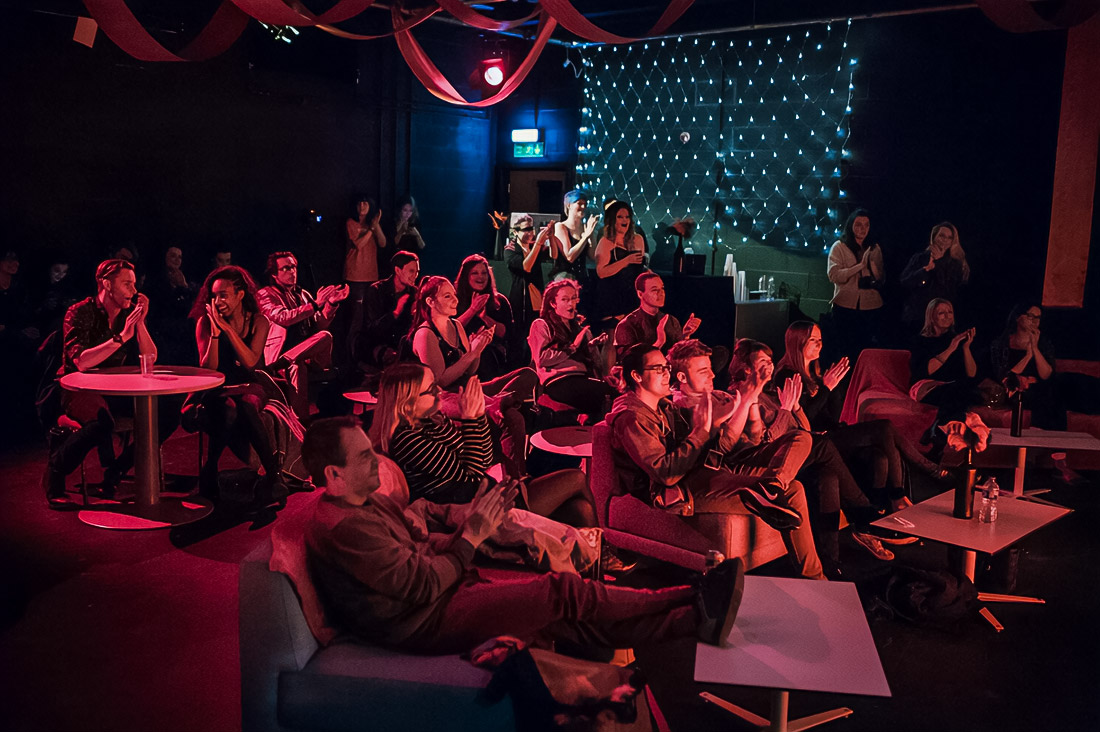
The participant’s experience has become a key concept in planning corporate events. People are no longer ready to be passive listeners. They expect a clear path for the participant: from the first contact to the actions after the event.
What matters is not the number of activities, but their logic.
- Where is the participant at a particular moment?
- Why is he here?
- What benefits is he getting right now?
Research shows that participants who have experienced at least one truly significant moment during an event are up to 85% likely to be ready to return to the next event. At the same time, only about 40% of participants believe that such moments actually happened, while the majority of organisers are sure they did not. This gap has become one of the main problems of 2026.
Personalization Without Ostentatious Effect
Personalization has stopped being decorative. A name badge or food selection is a basic level. In 2026, personalisation is valued, saving time and reducing cognitive load
Simple things work:
- Interest-based session recommendations
- Tips on where to go next
- Suggestions for contacts with relevant participants
- Access to content related to already visited activities
This personalisation directly affects engagement, depth of engagement, and willingness to take action after an event.
The Hybrid Format has Become the Standard
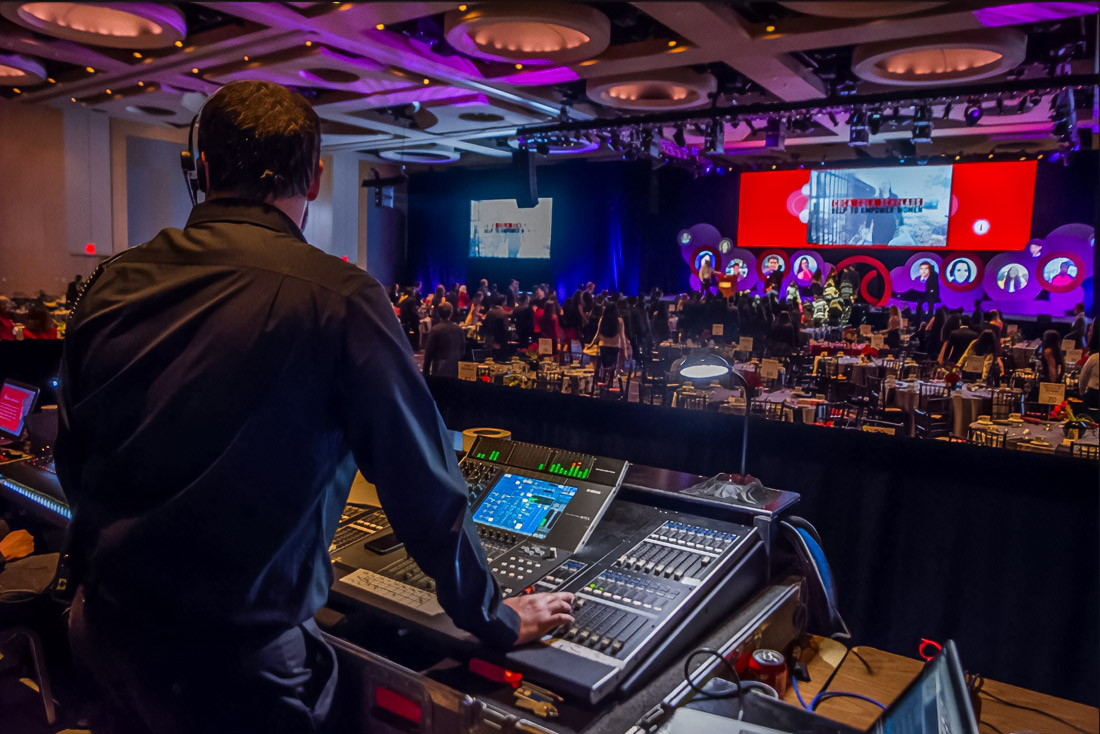
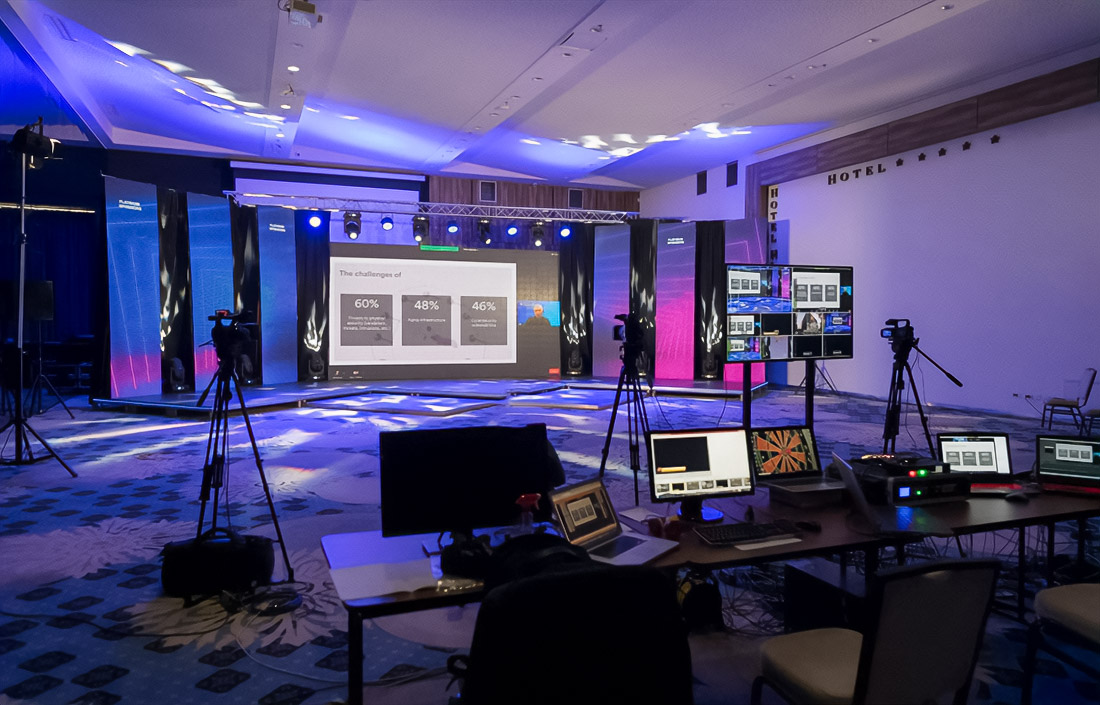
The hybrid format is no longer a compromise. It has become the norm. In 2026, successful events are designed for two types of participation at once-physical and remote.
It’s not the broadcast that matters, but the equality of experience.
- Interactive tools
- The ability to ask questions
- Participation in discussions
- Access to records and materials
Virtual and hybrid formats provide broader coverage and create an additional layer of data for analysing participant behaviour.
Data and Analytics Instead of Guesses
One of the most noticeable changes is the growing role of first level data. Registration, session selection, attendance, questions, participation in surveys, interaction with content,all this has become a valuable asset.
Against the background of stricter rules for working with external data, events have become one of the most reliable sources of their own analytics. This allows you to:
- More precisely, work with subsequent involvement
- It is better to segment the audience
- Build long-term relationships.
The event no longer ends when the last guest leaves. It continues to work through analytics, content, and communication.
Artificial Intelligence as an Operational Tool
In 2026, artificial intelligence ceased to be an attraction. It is used where it really saves time and reduces the burden on teams.
According to industry reviews, about 80% of organizers are already experimenting with AI, but only a small portion are using it at an advanced level. This creates a gap between potential and actual practice.
AI is used for:
- Automation of routine tasks
- Analysis of participants’ behavior
- Content recommendations
- Preparation of reports
- Communication support
The key principle is that technology should help the experience, not distract from it.
Sustainability and Social Responsibility as an Expectation
Environmental responsibility and social value are no longer optional. They became an expectation. At the same time, research shows that only about 25% of specialists systematically monitor the environmental footprint of events, despite the declared goals of sustainable development.
In 2026, sustainability manifests itself in concrete solutions:
- Reducing waste
- Reuse of constructions
- Working with local suppliers
- Transparency of processes
For the audience, this is directly related to trust. According to various estimates, sustainability and ethical issues influence the decisions of 80-88% of consumers.
Micro-formats and Distributed Events
Instead of one big event, a series of local or niche formats is increasingly appearing. Micro-events allow you to Work deeper with the audience,
create more meaningful contacts, reduce risks and support.